
Dental implants are one of the most popular solutions for replacing missing teeth—but they aren’t the only option. If you’re searching for the best tooth replacement option, understanding the pros and cons of dental implants and comparing them to alternatives can help you make an informed decision.
What Are Dental Implants?
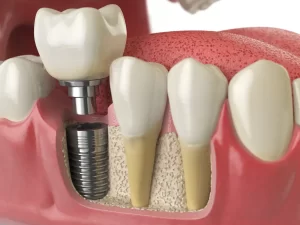
Dental implants are artificial tooth roots, usually made of titanium, that are surgically placed into the jawbone. Once healed and the bone has integrated with the titanium implant, a custom dental crown is attached to the implant, restoring both the appearance and function of a natural tooth.
Dental implants can replace:
- A single missing tooth
- Multiple missing teeth
- An entire arch of teeth (implant-supported dentures)
Benefits of Dental Implants
1. Natural Appearance and Function
Dental implants look, feel, and function like natural teeth. They allow you to eat, speak, and smile with confidence.
2. Long-Term Tooth Replacement Solution
With proper care, dental implants can last a long time, making them one of the most durable tooth replacement options available.
3. Prevent Jawbone Loss
Unlike dentures or bridges, dental implants stimulate the jawbone, helping prevent bone loss and facial sagging after tooth loss.
4. Protect Healthy Teeth
Dental implants do not rely on adjacent teeth for support, unlike dental bridges that require grinding down tooth structure.
5. Secure and Comfortable
Because implants are fixed in the jaw, they do not slip or move like removable dentures.
Disadvantages of Dental Implants
1. Surgical Procedure
Dental implant placement requires oral surgery, followed by a healing period.
2. Higher Initial Cost
Dental implants typically cost more than bridges or dentures, and insurance coverage may vary.
3. Longer Treatment Timeline
The full dental implant process can take several months, especially if bone grafting is needed.
4. Not Ideal for Every Patient
Patients with gum disease, low bone density, or certain medical conditions may require additional treatment before getting implants. It also depends on your overall health status.
Alternatives to Dental Implants
- Dental Bridges
- Dentures (Partial or Full)
- Maryland (Resin-Bonded) Bridges
Dental Implants vs. Other Tooth Replacement Options
| Feature | Dental Implants | Bridges | Dentures |
|---|---|---|---|
| Longevity | Very long-lasting | Moderate | Shorter lifespan |
| Bone Preservation | Yes | No | No |
| Surgery Required | Yes | No | No |
| Stability | Excellent | Good | Variable |
| Cost | Higher | Moderate | Lower |
Are Dental Implants Worth It?
Dental implants are often considered the best option for tooth replacement due to their durability, comfort, and natural appearance. However, the best option depends on your oral and general health, budget, and personal preferences.
A consultation with a dental professional can help determine whether dental implants or an alternative solution is right for you.
Final Thoughts
Choosing the right tooth replacement option is an important decision. Dental implants offer unmatched stability and long-term benefits, but bridges and dentures remain effective solutions for many patients. Understanding the pros and cons of dental implants and exploring all available options ensures you can make the best choice for your smile and oral health.
Contact us at 604 596-9900 or via email at reception@northdeltadentist.ca today to book an appointment to learn more about dental implants and choose the tooth replacement option that best suits you.